






01
2022-08
New energy vehicles (NEVs) are facing another price hike. Following the price surge earlier this year, some brands have recently raised retail prices, and certain models have stopped taking orders due to chip shortages. A new wave of NEV price hikes seems imminent.
It’s widely known that most NEV manufacturers have not been profitable in recent years. According to economies of scale, costs should decrease as production and sales grow, but rising costs have led to repeated price increases, defying this principle. When NEV price hikes will end is a concern for both consumers and the industry.
Another Wave of Price Hikes Hits the Market
As the automotive market returned to normal in June, the upward trend in new energy vehicle (NEV) sales became more pronounced. Alongside rising sales, NEV retail prices have also increased. Since late July, a new wave of price hikes has quietly emerged. Several automakers, including Neta, Leapmotor, smart China, and JAC, have announced price increases for select models, with adjustments ranging from a few thousand to 10,000 yuan.
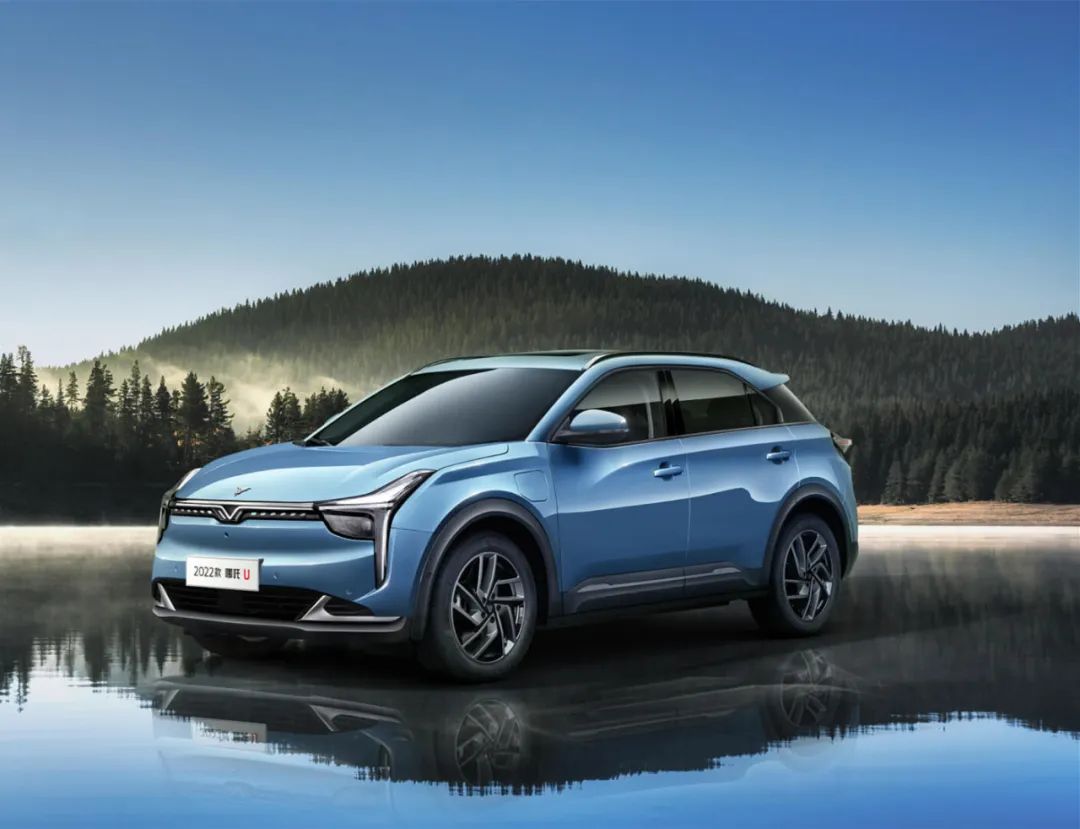
On July 27, Neta, a brand gaining momentum, announced a 6,000-yuan price increase for its entire Neta U lineup, kicking off this round of NEV price hikes. Just days earlier, on July 10, the Neta V series had already seen price increases of 3,000 to 5,000 yuan. Following Neta’s price adjustments, other brands began announcing price hikes for their models.
On July 31, Leapmotor issued a price adjustment statement, citing rising raw material costs. Starting August 1, the official guide price for its T03 series, after subsidies, was adjusted upward by 5,600 to 6,600 yuan.
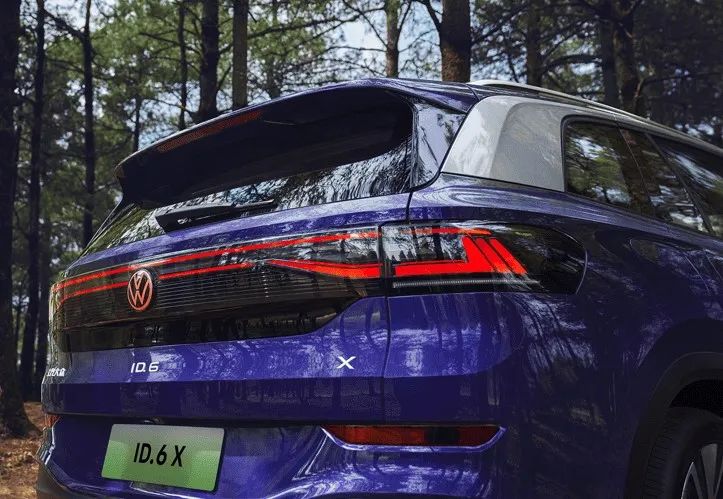
Beyond new-energy startups, traditional automakers have also raised prices. In mid-July, SAIC Volkswagen announced that its ID. family would see a price adjustment in August, with increases expected around 10,000 yuan. This marks the second price hike for the ID. family this year. On May 11, SAIC Volkswagen raised prices for the ID. family by 3,000 to 5,000 yuan, with the ID.3 and ID.6 X series increasing by 3,000 yuan and the ID.4 X series by 5,000 yuan. Earlier, on April 7, the launch of 2022 models for three ID. family vehicles came with a 5,400-yuan price increase. Over the past four months, the ID.4’s price has risen by 24,000 yuan.
JAC also announced that its NEV model, the Sihao E10X (Four-Leaf Clover, Starry Sky, and Sunflower editions), would see a 1,000-yuan price increase. Though modest, this adjustment reflects the cost pressures felt even by traditional automakers. Some models have even seen price hikes before delivery.
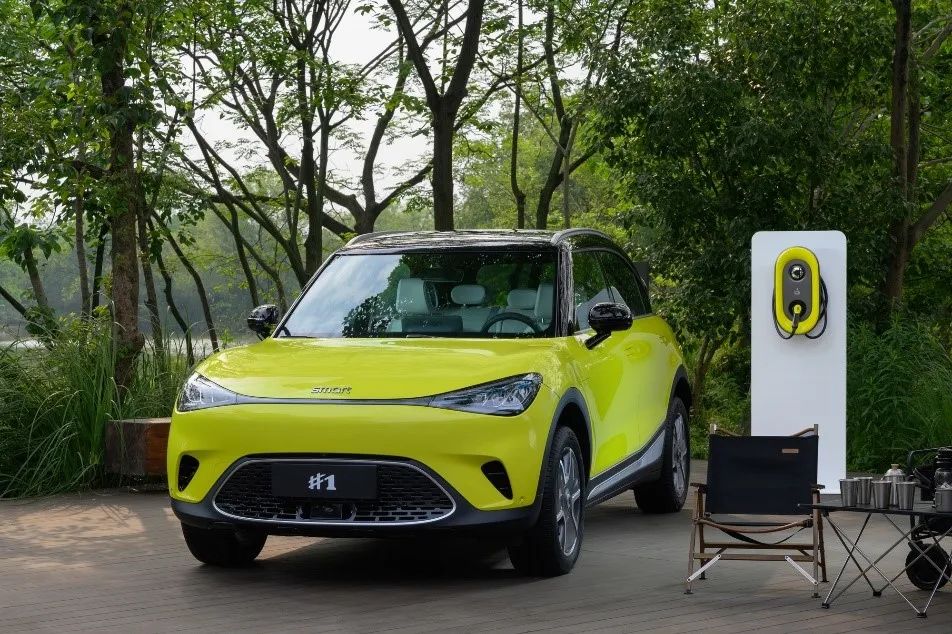
On August 1, smart China announced that, due to rising global raw material costs, the smart #1 Premium model would increase by 5,800 yuan starting August 3. The official retail price will rise from 226,600 yuan to 232,400 yuan. smart China noted that deliveries of the smart #1 are expected to begin in September, making it the first brand to announce a price hike before vehicle deliveries.
Alongside Price Hikes, Model Discontinuations Emerge
Concurrent with the price increases, some vehicle models are being discontinued. On August 4, Geometry Auto announced that, due to chip and battery supply constraints, the EX3 Kungfu Cow would cease accepting orders starting August 2022 to protect customers’ purchasing and usage rights. The company committed to fulfilling existing purchase contracts to ensure the rights of current buyers. This is not the first discontinuation for Geometry’s models. As early as March, the EX3 Kungfu Cow faced issues with months-long delivery delays after orders were placed, followed by a 7,000-yuan price increase for the entire series. It is understood that Geely has officially discontinued three entry-level NEV models this year.
In June, Changan New Energy issued a notice stating that, due to raw material shortages and production capacity constraints for both vehicles and components, the delivery timeline for the Benben E-Star model was significantly extended. As a result, orders for the Benben E-Star were suspended starting July 1, 2022, at midnight. Under cost pressures, automakers are unable to guarantee vehicle deliveries, forcing them to discontinue certain models.
Following the NEV price surge in March, the market is now experiencing another wave of price hikes. Currently, the scope of this wave is relatively limited. However, there is concern within and outside the industry that if costs are not effectively controlled, this price surge could expand further.
More Than Just Rising Raw Material Costs
Similar to the price hikes earlier this year, the primary driver behind the current wave of new energy vehicle (NEV) price increases remains the rising cost of raw materials. Xu Haidong, Deputy Chief Engineer of the China Association of Automobile Manufacturers, emphasized in an interview with China Automotive News that the root cause of NEV price increases lies in the persistently high costs of raw materials, particularly battery materials, which have been on a rapid upward trend for some time. Although this steep rise stabilized in the first half of the year, prices remain relatively high, naturally pushing up vehicle costs. According to Shanghai Steel Union data, battery-grade lithium carbonate prices peaked above 500,000 yuan per ton in April and remained around 470,000 yuan per ton by early August. GAC Group Chairman Zeng Qinghong noted that power battery costs currently account for 60% of a vehicle’s total cost. Under such significant cost pressures, NEV price increases are understandable.
While the price surges for raw materials, particularly those driven by power batteries, are not as extreme as in the past one or two years, they remain at elevated levels, inevitably leading to higher vehicle prices. Wang Qing, Deputy Director of the Market Economy Research Institute at the Development Research Center of the State Council, emphasized that while vehicle prices are tied to costs, the relationship is not direct and is fundamentally driven by supply and demand. “Raw material costs for fuel vehicles, such as steel, have also risen significantly, and fuel vehicles face chip shortages for intelligent features, yet their retail prices have not increased like NEVs. This shows that supply and demand dynamics are a more critical factor,” Wang noted. Currently, the NEV market is experiencing strong demand and rapid sales growth, with relatively low competitive pressure on manufacturers, reducing the likelihood of proactive price reductions.
Additionally, cost is indeed a significant factor influencing pricing. Although the rapid rise in prices of raw materials, particularly battery materials, has slowed, their overall costs remain high. Coupled with the strong demand and tight supply-demand dynamics driven by the rapid growth in NEV production and sales, the increase in NEV retail prices is only natural.
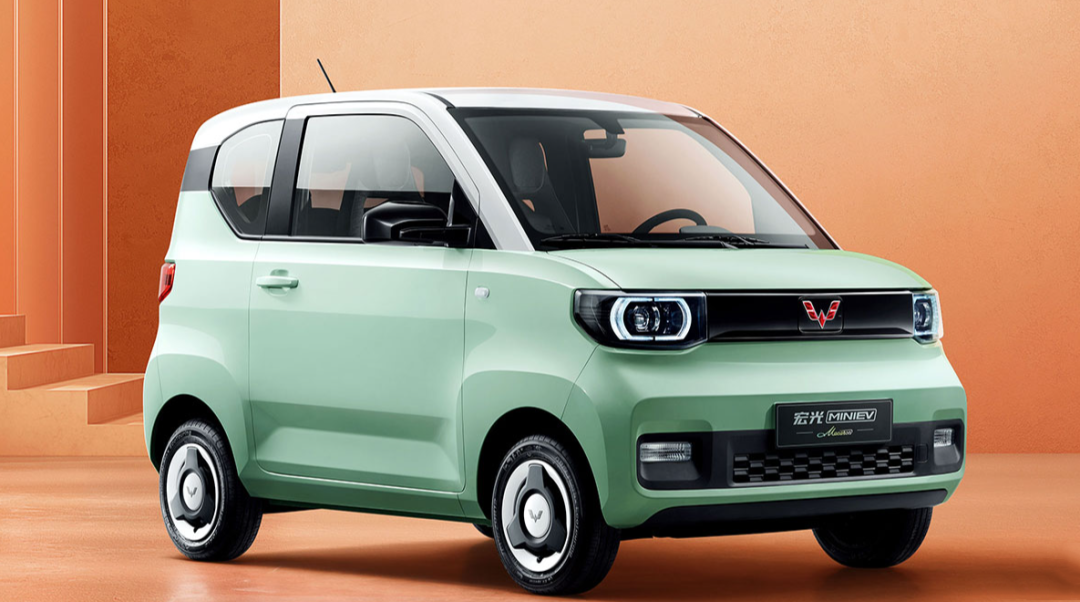
“Technological advancements also play a major role in price increases,” according to Wang Qing. The NEV sector is currently in a phase of rapid technological development, with companies continuously launching new models and technologies. Advanced battery technologies and smart connected vehicle features are increasingly integrated into new NEV models, driving up costs. Consequently, mainstream NEV models in the current market are those priced above 300,000 yuan, as these can better absorb the cost increases brought by advanced technologies. In contrast, consumers are more sensitive to price changes for small and micro electric vehicles like the Hongguang MINIEV, making price hikes for such models less likely and smaller in magnitude.

“Buy More as Prices Rise” Is a Short-Term Phenomenon“
In the short term, the new energy vehicle (NEV) market will experience rapid growth. When demand outstrips supply, consumers often exhibit a ‘buy on the rise, not on the fall’ mentality, thinking ‘the earlier I buy, the better, as prices may rise further.’ This leads to the ‘buy more as prices rise’ phenomenon,” said Wang Qing. However, he noted that this behavior is temporary and primarily driven by tight supply-demand dynamics. Once supply exceeds demand in the NEV industry, prices may start to decline, and market competition will intensify. “While the NEV market is competitive now, it’s still relatively mild compared to the fuel vehicle sector, where competition is fiercer, and NEV manufacturers and models haven’t yet reached the stage of price wars,” Wang added.
Cui Dongshu, Secretary-General of the China Passenger Car Association, also pointed out that raw material price increases have exceeded expectations, compounded by factors like the pandemic, driving up vehicle manufacturing costs. Price hikes by multiple automakers indicate that issues like raw material cost surges and chip shortages have not been fully resolved. However, Cui emphasized a rational perspective on how raw material price increases lead to higher retail prices. While NEV price hikes may temporarily dampen consumer enthusiasm, China’s diverse NEV market will mitigate this impact. Furthermore, as supply conditions improve in the raw material industry, the adverse effects of price increases will be alleviated to some extent. “Improvements in the raw material supply environment will help ease the negative impacts of NEV price hikes,” Cui stated.
In response to rising raw material costs, automakers are adopting varied strategies beyond just price increases. Wang Qiufeng, Deputy General Manager of BAIC New Energy and President of ARCFOX, noted that adjusting prices due to supply chain pressures is normal but stressed the importance of internal optimization. “Raw material price increases have significantly affected us, leading to slight adjustments in the first half of this year. However, we’ve largely offset the cost pressures through internal supply chain adjustments and cost optimization, passing benefits on to consumers,” Wang said.
Facing Persistent Battery Raw Material Price Hikes
As battery raw material prices continue to rise, automakers are pressuring battery suppliers to cut costs while also increasing vehicle retail prices and taking proactive measures. Strengthening in-house battery R&D and even investing in battery manufacturing have become growing priorities for some companies. Traditional automakers like Geely Group, SAIC Group, and Dongfeng Motor have made forward-looking investments in the new energy battery sector. NIO’s founder, chairman, and CEO, Li Bin, revealed that NIO’s in-house battery R&D team now exceeds 400 members, focusing on battery materials, cell and pack design, battery management systems, and manufacturing processes to build and enhance comprehensive battery development and industrialization capabilities. “These investments will boost the long-term competitiveness and profitability of NIO’s products,” Li stated. NIO also plans to begin delivering 150kWh solid-state batteries in the fourth quarter, significantly extending the range of its models, with the new NIO ES8 reaching up to 850 km and the NIO ES6 up to 900 km.
To reduce reliance on battery suppliers, automakers are intensifying R&D on critical technologies like batteries while also investing in battery factories. On July 26, Redwood Materials, a battery recycling and reuse company founded by Tesla’s former CTO JB Straubel, announced plans to invest $3.5 billion in a battery materials factory in the suburbs of Reno, Nevada, to produce key raw materials for electric vehicle batteries.
Recently, Volvo Cars and battery manufacturer Northvolt announced a joint venture to establish a new battery production plant in Gothenburg, Sweden. Construction is set to begin in 2023, with operations starting in 2026. The factory will focus on developing advanced batteries for next-generation pure electric Volvo and Polestar vehicles, with an annual battery capacity of up to 50 GWh, sufficient for approximately 500,000 vehicles.
Earlier this year, in March, Volkswagen Group and its SEAT brand announced an investment of over €7 billion to develop the electric vehicle supply chain in Spain, with a key focus on a gigafactory in Valencia. This will be Volkswagen’s third battery factory in Europe, producing standardized, state-of-the-art battery cells with a planned capacity of 40 GWh. Volkswagen aims to establish a self-controlled battery supply chain, covering raw materials to recycling, through new partnerships. To achieve this, the company plans to build six battery factories in Europe, with a total capacity of 240 GWh.
Additionally, investment firms backed by automakers are increasing investments in battery manufacturers and even raw material suppliers. Recently, lithium battery cathode material company Rongtong High-Tech completed a D-round financing of over 5 billion yuan, with major investors including prominent industrial capital from large domestic auto groups, new-energy startups, leading battery manufacturers, and national industrial funds. Facing ongoing pressure from rising raw material costs, automakers are actively responding with strategic measures.
New Energy Vehicle Economies of Scale Yet to Form
“From financial reports, we see that Tesla only began turning a profit after launching its Shanghai Gigafactory,” said Xu Haidong. Compared to traditional fuel vehicles, the economies of scale for new energy vehicles (NEVs) take longer to materialize. “Typically, fuel vehicles reach a cost-sharing state, covering R&D and other expenses, at around 100,000 units, achieving economies of scale. For NEVs, this breakeven point comes later,” Xu noted. Additionally, NEV pricing must account for competition with fuel vehicles as a benchmark, often starting at lower price points. When rising raw material costs increase production pressures, economies of scale cannot absorb these costs, making retail price hikes inevitable. Notably, most NEV manufacturers are still in the sales ramp-up phase, with many yet to surpass 100,000 units annually, far from achieving economies of scale, making price increases for certain models unavoidable.
Xu Haidong added that purchasing NEVs has become a growing consumer trend, with increasing acceptance driving a consumption wave. In this context, minor price fluctuations have little impact on the market, contributing to the “buy more as prices rise” phenomenon. “Cars are big-ticket items, and consumer price elasticity is less pronounced than for everyday goods. A slight price increase is still acceptable, especially with rising fuel prices, where a few thousand yuan hike remains within an affordable range,” Xu explained.
In an interview with China Automotive News, Wang Qing highlighted that China’s NEV ownership has surpassed 10 million units, indicating a certain scale. However, for most companies, especially new-energy startups, annual production and sales have not yet reached 100,000 units. Overall, NEV economies of scale have not yet formed, making it difficult to offset cost pressures through scale effects. Consequently, rising raw material costs inevitably lead to price increases for some models. Nevertheless, the NEV market remains in a rapid growth phase, a trend expected to continue for some time, with the market poised for strong development this year.


