






01
2022-08
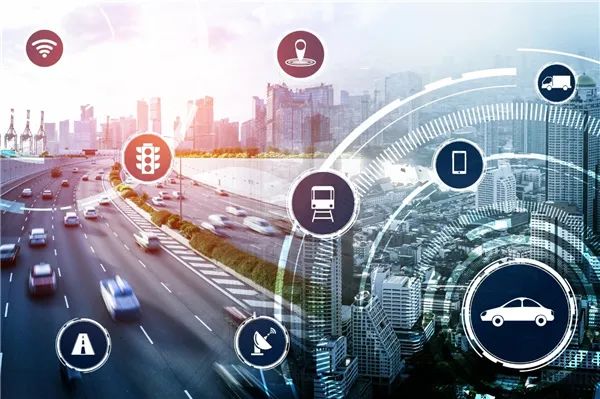
Recently, the 2022 Zhongguancun Forum series of technology trading events, focusing on new technology and product launches and supply-demand matching in the smart city application field, was held in Tongzhou District, Beijing. The open smart city scenarios have attracted over 20 external enterprises to discuss industrial cooperation in Beijing’s Urban Sub-Center. By 2025, Tongzhou District plans to have over 100 kilometers of roads open for autonomous driving, with autonomous patrol boats also set to operate on the Grand Canal (Tongzhou section). As the construction of the “dual intelligence” (smart city and intelligent connected vehicles) city accelerates in Beijing’s Urban Sub-Center, the intelligent connected vehicle industry has gained a stronger development platform in Tongzhou.
Radish Run Settles In: Robotaxi Trial Operations Thrive
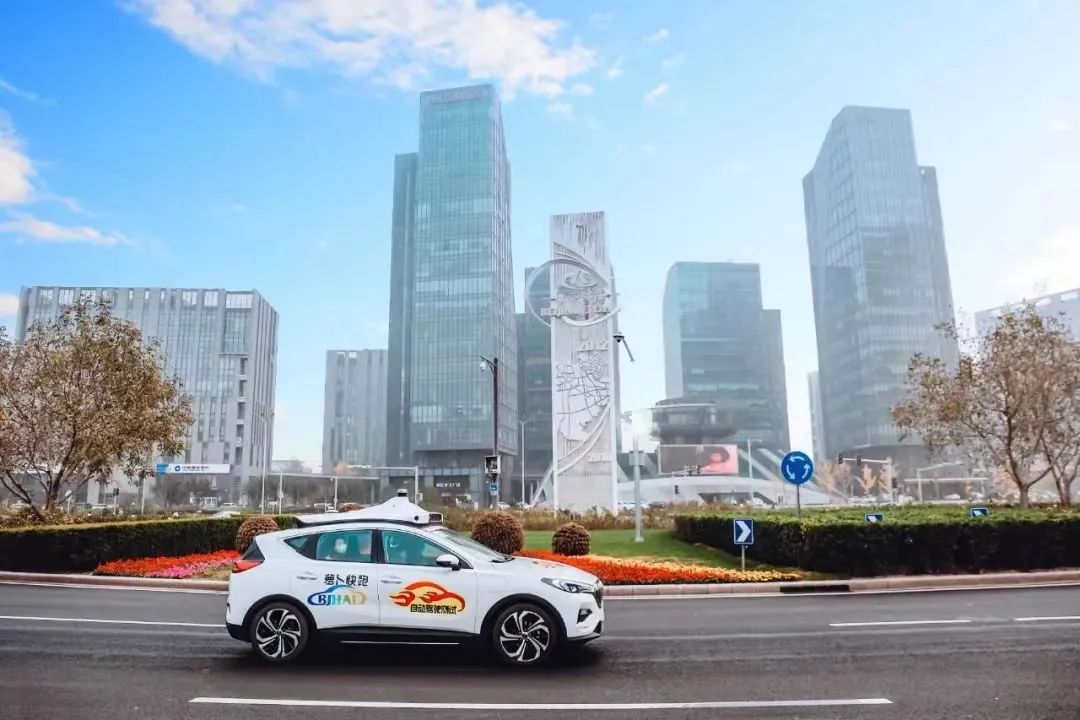
On August 8, a reporter visited Tongzhou District, Beijing’s Urban Sub-Center, and observed several Radish Run Robotaxi autonomous vehicles shuttling between stations near the newly established Beijing Administrative Center, with a small peak in ridership at noon. The reporter booked a ride during this time, waiting 3–5 minutes for the platform to assign a vehicle and another ten-plus minutes for it to arrive, similar to the experience with regular ride-hailing services. “Booking is faster during other times. Radish Run has deployed 20 autonomous vehicles in Tongzhou, operating commercially for a year with excellent overall performance and a growing number of passengers,” a Radish Run safety operator told the reporter.
During the reporter’s test ride, the safety operator did not intervene at all, as the vehicle operated in fully autonomous mode with smooth driving, offering a passenger experience comparable to human-driven vehicles.
A frequent Radish Run passenger shared, “It’s very convenient to use. I was initially concerned about safety, but after a few rides, those worries disappeared.” A security guard near a pickup point noted that he sees Radish Run vehicles picking up or dropping off passengers about ten times a day. The trial operation of autonomous taxis in Tongzhou is steadily gaining momentum.
Xu Haidong, Deputy Chief Engineer of the China Association of Automobile Manufacturers, told China Automotive News that conducting distinctive autonomous driving operations and promoting smart transportation demonstrations in Tongzhou aligns with local development needs. “As the newly established Beijing Urban Sub-Center, Tongzhou faces less traffic pressure and complexity than the main urban area. Operating entities are cautious about testing autonomous vehicles on the Second Ring Road due to the potentially severe consequences of accidents. In Tongzhou, with fewer vehicles and pedestrians and simpler traffic conditions, safety risks are lower, making it more suitable for autonomous vehicle road testing,” Xu explained.
The commercial trial of autonomous vehicles is just one facet of Tongzhou’s efforts to build a “dual intelligence” city. The district has achieved significant progress in smart transportation and intelligent connected vehicles. Su Guobin, Standing Committee Member of the Tongzhou District Committee and Deputy District Mayor, stated that new technologies and products for smart city applications are being implemented in Tongzhou, with their role in enabling high-quality development becoming increasingly evident. “Top-level design is continuously improving. This year, the city and district jointly formulated the Beijing Urban Sub-Center Technology Scenario Sandbox Pilot Plan. Through this plan, we encourage trials of new technologies, explore pioneering policies, and support enterprises’ cutting-edge endeavors,” Su said. “Since this year, progress has been made in smart city application projects in the Sub-Center. Tongzhou has established the Shoutu Smart City Platform Company and the Smart City Industry Alliance to promote the effective implementation of smart scenarios with new mechanisms. To date, the alliance has recruited 37 high-quality local enterprises as its first members to jointly advance the construction of smart city application projects. The open smart city scenarios have attracted over 20 external enterprises to discuss industrial cooperation in Tongzhou, with companies like Zhongke Brain, Longxin Data, and Yousheng Bodian’s wholly-owned subsidiaries already established in the district. Shouxin Company’s subsidiary, Shouxin Cloud, has settled in the Cybersecurity Park, while subsidiaries of Baidu, Fengtu Technology, and Zhongke Soft are in the process of registering. Mushroom CarLink, AIBrain Technology, and Kunlun Beidou are also in deep discussions.”
Smart Transportation Begins with Smart Roads
In 2021, China’s Ministry of Housing and Urban-Rural Development and Ministry of Industry and Information Technology announced 16 cities in two batches as “Dual Intelligence” pilot cities, tasked with exploring the coordinated development of smart city infrastructure and intelligent connected vehicles. Beijing was among the first batch, with Tongzhou District’s “Dual Intelligence” city construction forming a key component of Beijing’s pilot program.
On February 7, 2022, the Beijing Urban Sub-Center Management Committee and Tongzhou District Government jointly issued the Beijing Urban Sub-Center (Tongzhou District) “14th Five-Year Plan” for Smart City Construction (hereinafter referred to as the Plan). The Plan focuses on four key areas: the Administrative Office Area, the Grand Canal Business District, Zhangjiabay Design Town, and the Cultural Tourism Zone. It establishes a “1+4+X+1” framework, comprising one digital foundation, four characteristic areas, multiple city-district collaborations, and one standardized system, outlining 28 benchmark demonstration projects.
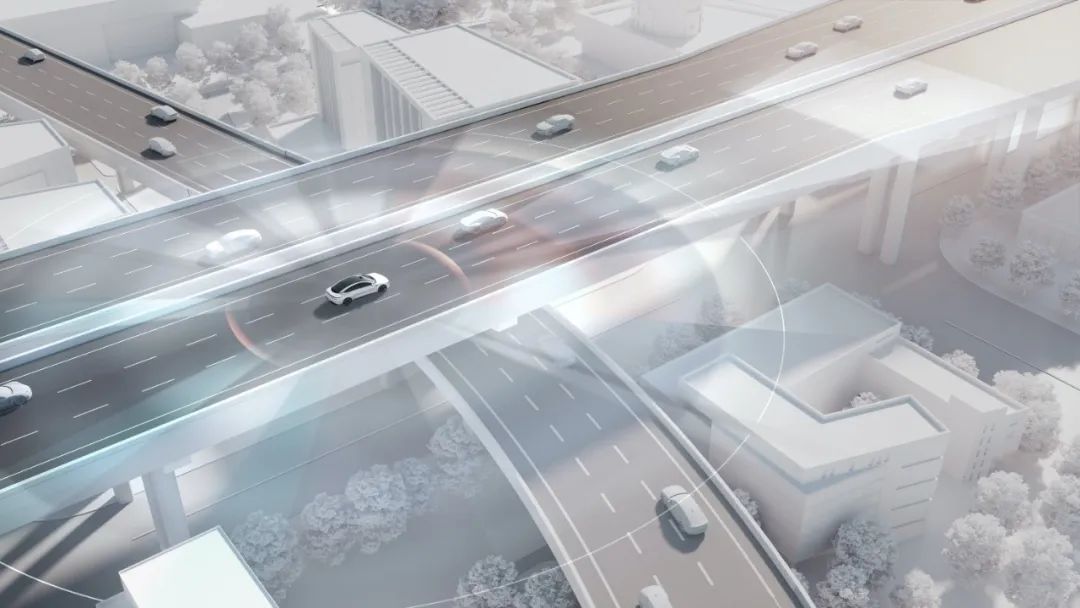
Smart transportation is a priority task in the Plan. During the “14th Five-Year Plan” period, Beijing’s Urban Sub-Center will accelerate the development of smart transportation to create an integrated, convenient, and safe smart mobility service. This includes building a comprehensive traffic perception system to collect data on “people, vehicles, and roads,” leveraging big data platforms for traffic condition monitoring and early warnings, and achieving “green wave” signal optimization for intelligent traffic lights across the 155-square-kilometer Urban Sub-Center. This dynamic signal timing optimization enhances residents’ smart travel experiences while promoting vehicle-road collaboration pilot applications and establishing autonomous driving demonstration zones.
Significant progress has been made in Tongzhou’s smart transportation development during the “14th Five-Year Plan” period. A notable achievement is the application of autonomous driving technology in the Administrative Office Area, where test routes and designated stops have been established. With support from relevant technical units, autonomous vehicles have been deployed, providing over 22,000 passenger services to date, with a professional satisfaction rating of 4.94 out of 5.
Currently, all traffic signal lights across Tongzhou’s 906 square kilometers (excluding roads under construction) are networked and controlled, with full intelligent control achieved for signals within the 155-square-kilometer Urban Sub-Center. Seven major traffic corridors, including Xinhua-Tonghu Street, have implemented “green wave” bands. Third-party evaluations show that these “green wave” bands have increased average vehicle speeds by 15.6% and reduced travel times on main urban roads by 32.5%. Additionally, adaptive signal timing optimization has been implemented at 199 low-traffic intersections.
Sun Yafu, Vice President of Qianfang Technology and Director of Qianfang Research Institute, told China Automotive News that promoting the coordinated development of intelligent connected vehicles and smart cities represents an upgrade in urban infrastructure operation models and a direction for new urban infrastructure development. As Beijing’s Urban Sub-Center, Tongzhou benefits from forward-looking planning for vehicle-road collaboration and smart transportation infrastructure during its development phase. Unlike cities with more established infrastructure, Tongzhou faces fewer legacy constraints, giving it a clear advantage. Additionally, Tongzhou holds a strategic edge in developing smart transportation and intelligent connected vehicles.
Xu Haidong also noted that “Dual Intelligence” city construction significantly advances autonomous driving development. “Vehicle-road collaboration requires both vehicle intelligence and smart roads,” he said. Currently, autonomous driving is still in a phase of testing, data accumulation, and technology validation. More cities opening up for testing will positively promote industry growth. Furthermore, the development of the autonomous driving industry requires cities to create testing scenarios tailored to their unique characteristics, which is a key reason for Tongzhou’s focus on building smart city scenarios.
Focusing on Building Smart Application Scenarios
During the 2022 Zhongguancun Forum series of technology trading events, the first batch of smart application scenario demands for Beijing’s Urban Sub-Center was officially released. These demands cover six key areas: the Sub-Center’s perception system, digital twin (integrated planning, construction, and management services), connected cloud-controlled autonomous driving 3.0, a public service platform for digital transformation of the construction industry, smart healthcare, and smart communities. The event invited cutting-edge technology companies to participate, leveraging platforms like Shoutu Smart City and the Urban Sub-Center Smart City Industry Alliance to collect and evaluate technical solutions through mechanisms such as “open competition for solutions.” The event brought together 13 leading domestic and international technology companies, including Baidu Intelligent Cloud, Israel’s Oddetect, Zhihui Yunzhou, Yisa Technology, Longxin Data, Kunlun Beidou, Yihualu, China National Machinery Industry Corporation, Neusoft Group, Xuedilong, Mushroom CarLink, Qianfang Technology, and Shanghai Wentian. These companies focused on urban management, ecological environmental protection, and urban transportation, emphasizing applications of advanced technologies like artificial intelligence, big data analytics, IoT, and holographic perception. They showcased solutions for smart city brains, spatiotemporal digital foundations, smart city carbon emissions, and integrated vehicle-road-cloud autonomous driving.
Hou Yun, First-Level Inspector of the Beijing Municipal Science and Technology Commission and member of the Zhongguancun Management Committee, stated that promoting application scenario development is crucial for advancing underlying and core technology breakthroughs and iterative innovation. By using technology scenarios to empower the Urban Sub-Center’s development, the initiative strengthens top-level design, consolidates multi-party efforts, and explores innovative mechanisms. Qianfang Technology, one of the invited companies, participated in the technical solution presentations and signed an agreement to join the Beijing Urban Sub-Center application scenario display and collaboration platform. Wen Lei, head of Qianfang Technology’s Strategic Cooperation Department, noted that since its founding in 2000, Qianfang has focused on R&D and applications in key areas like sensors and AI algorithms, providing comprehensive services—from products to solutions, hardware infrastructure to software intelligence, and cloud data to industrial ecosystems—for core urban digital applications in transportation, logistics, culture and tourism, security, and emergency response.
In the construction of “Dual Intelligence” cities, intelligent connected vehicle technology can be rapidly applied with more landing scenarios. Vehicle-road collaboration, a key pillar of intelligent connected vehicles, operates within the urban framework, as both vehicles and roads are integral to cities. From the perspective of Beijing’s urban development, the “Dual Intelligence” city construction in Tongzhou and the commercial autonomous driving tests in Daxing’s Yizhuang area complement each other, collectively advancing Beijing’s “Dual Intelligence” city development. Each region has distinct focuses: Yizhuang emphasizes vehicle-side development, while Tongzhou prioritizes transportation and urban operational infrastructure. These regions work in harmony to enrich Beijing’s “Dual Intelligence” city framework.
Sun Yafu believes that emerging fields like intelligent connected vehicles, autonomous driving, and “Dual Intelligence” cities lack a fixed development model, allowing regions to explore tailored approaches based on local conditions. Beijing has accumulated rich experience in intelligent connected vehicle testing, operations, and vehicle-road collaboration infrastructure. Building on this, Tongzhou should adopt a smart city perspective, aligning with the “Dual Intelligence” synergy to develop new urban infrastructure. This will create a better innovation environment for testing and operating intelligent connected vehicles while promoting diverse application scenarios in traffic and urban management, attracting enterprises from various sectors to innovate in product technology and explore new business models.
Vehicle-Road Collaboration: Building a “Dual Intelligence” City
Geng Lei, Director of the Tongzhou District Bureau of Economy and Information Technology, stated that by advancing vehicle-road collaboration pilot applications and establishing an autonomous driving demonstration zone, Tongzhou aims to provide residents with a smart mobility experience. “This year, we will launch project construction and establish operational standards, with autonomous driving roads exceeding 100 kilometers by 2025.” According to the project plan, Phase 1 will cover the Administrative Office Area of the Urban Sub-Center, upgrading approximately 48 kilometers of roads. Phase 2 will extend to the Cultural Tourism Zone, Zhangjiabay Design Town, and Grand Canal Business District, connecting all four core areas and upgrading around 223.73 kilometers.
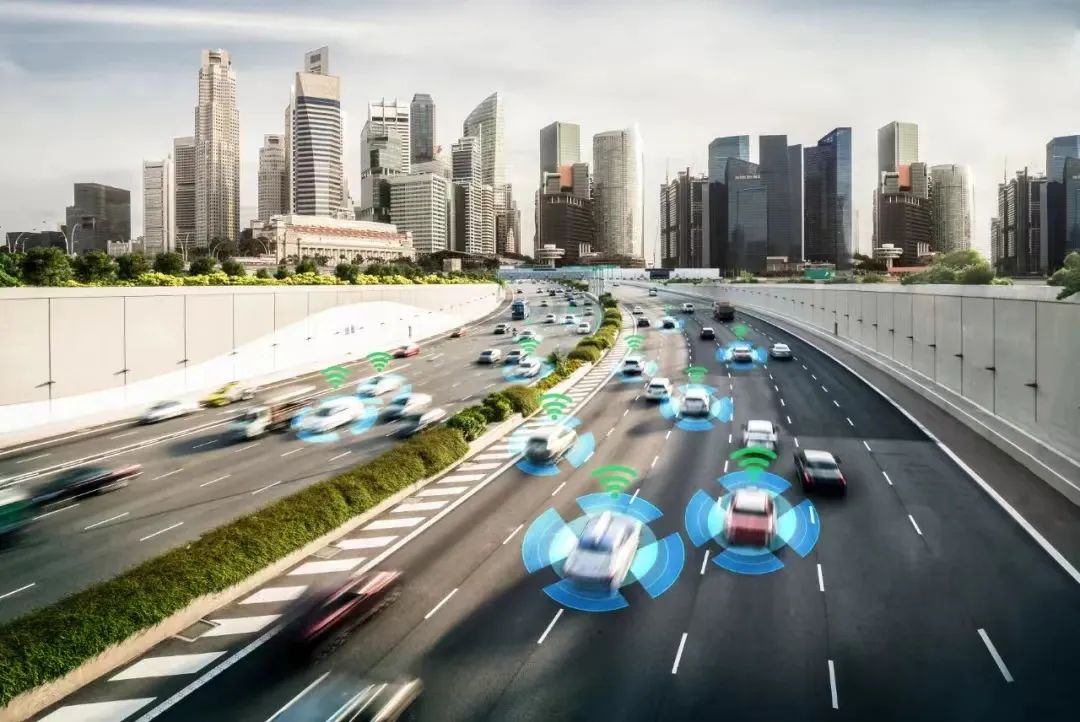
The advancement of autonomous driving is driving new road infrastructure in the Sub-Center. Geng Lei explained that by leveraging multi-source perception terminals, fusion algorithms, and connected vehicle technologies, Tongzhou will build ubiquitous perception road infrastructure to support high-level autonomous driving applications and operations. With the opening of automobile driving scenarios, smart roads, intelligent vehicles, real-time AI clouds, reliable networks, and precise maps will become accessible to residents, offering convenient, safe, and efficient urban public transportation services. These efforts will also provide safe, orderly, and low-carbon urban operational services, explore an autonomous driving “Beijing Model,” and promote a new construction and operation model led by the government with social participation.
Smart city development and operations involve two levels: construction and operation. Construction requires deploying infrastructure to meet the needs of smart cities and smart transportation, integrating “industry and city” development. While advancing urban infrastructure, Tongzhou is fostering related industries. The commercial trial operation of autonomous taxis creates additional testing scenarios, supporting technical validation for enterprises while providing a platform for innovation, encouraging product technology advancements and new business model exploration, and accelerating industry implementation.


